
“Cotton kills” is old, well-worn running advice, repeated constantly, explained rarely. Nobody’s actually dying on a Saturday morning long run. What’s really going on is simpler and dumber: cotton soaks up water like a sponge, gets heavy, stays wet, and drags you down with it. Here’s the fiber-level version, and where the old warning is right and where it’s overkill.
How Cotton Behaves When You Sweat
Cotton fiber is hydrophilic — it chemically attracts and absorbs water into the fiber itself, which is exactly what makes it comfortable for a t-shirt in a climate-controlled office. On a run, that same property works against you. Sweat gets pulled into the fabric and stays there instead of moving to the surface to evaporate. The shirt gets progressively heavier and wetter over the course of a run instead of staying roughly the same weight, and a soaked cotton shirt can hold several times its dry weight in water.
That trapped moisture also conducts heat away from your skin much faster than dry air does. In cool or cold weather, a wet cotton shirt can meaningfully accelerate heat loss — which is the specific scenario “cotton kills” originally warned about, referring to hypothermia risk in hikers and outdoor workers, not just discomfort on an easy jog.
How Synthetic Wicking Fabric Behaves Differently
Polyester and nylon are hydrophobic — they don’t absorb water into the fiber at all. Instead, wicking fabric is engineered with a fiber structure that pulls moisture across the surface through capillary action, spreading sweat over a wider area of fabric where it evaporates faster than it could sitting in one saturated patch. The shirt stays lighter through the run, dries faster afterward, and doesn’t hold onto the same volume of water cotton does.
Where Cotton Actually Still Makes Sense
None of this makes cotton universally bad — it makes it situational. For a short, easy walk, a casual warm-weather errand, or low-effort activity where you’re not going to sweat much, cotton’s softness and breathability are perfectly fine and often more comfortable against the skin than synthetic. The problems specifically show up as effort and duration increase — once you’re sweating steadily for 20+ minutes, the moisture-retention difference starts to matter for both comfort and, per our chafing guide, skin friction.
Cotton-Synthetic Blends
A lot of casual “athletic” apparel is a cotton-poly blend, which splits the difference rather than solving the problem. Blended fabric wicks somewhat better than pure cotton but still absorbs more water than 100% synthetic, since the cotton fibers in the blend keep their water-absorbing behavior. For genuinely hard efforts — tempo runs, long runs, hot-weather racing — a 100% synthetic wicking fabric outperforms any cotton blend on moisture management, which is why most performance running gear, including Sweatwicking’s line, is cut from 100% polyester rather than a blend.
Where Merino Wool Fits In
Wool doesn’t fit neatly into the cotton-vs-synthetic split, because it behaves like a third category. Merino wool fiber can absorb a meaningful amount of moisture into its core — more than polyester — without feeling wet against the skin the way cotton does, and it manages odor better than either option (see our odor guide for why). The tradeoffs are real: wool is more expensive, more fragile, dries slower than polyester, and can feel warmer in humid heat since it’s not moving moisture to the surface as fast. It’s a genuinely strong option for cool-weather or multi-day use where odor resistance outweighs quick-dry speed; less ideal for a hot race where you want the fastest possible evaporation. Wool blends that mix in a percentage of synthetic fiber try to split the difference, trading some of wool’s odor advantage for faster drying — a reasonable middle ground if neither pure option fits.
Cost Isn’t a Reliable Signal
Price doesn’t map cleanly onto performance here. A budget 100% polyester shirt with a well-designed weave can outperform an expensive blend on pure moisture management, and vice versa. What actually predicts performance is the fiber content and fabric weight listed in the product details — 100% synthetic versus blended, and how many oz/yd² the fabric is — not the price tag or brand name attached to it.
A Quick Way to Check What You Already Own
Most running shirts already own have a fiber-content tag, and it’s worth actually checking rather than assuming. “100% polyester” or “100% nylon” means fully synthetic. Anything listing cotton alongside a synthetic fiber is a blend, and behaves closer to cotton than people expect — even a 60/40 poly-cotton blend absorbs noticeably more water than 100% synthetic. If the tag is worn off, a rough field test works too: synthetic fabric dries to the touch within a few minutes of being wetted and wrung out, while cotton stays damp for considerably longer. This is worth doing before a long run in gear you’re not sure about, rather than discovering the fabric content the hard way twelve miles in.
Layering Different Fabrics
Cold-weather runners often layer, and the same fabric logic applies to every layer, not just the outer one. A cotton base layer under a technical outer shell defeats the point of the shell — moisture gets trapped at the cotton layer next to skin regardless of how good the outer fabric is. The base layer, the one actually touching skin, is the one where synthetic (or wool) matters most; an outer layer has more flexibility since it’s not in direct sweat contact the same way.
One Honest Tradeoff: Microplastics
Synthetic fabric’s performance advantage does come with a real environmental tradeoff worth being honest about: polyester and nylon shed microplastic fibers in the wash, which cotton doesn’t. A washing bag designed to catch synthetic fiber shed, or simply washing synthetic gear less frequently (see our washing guide for how to make washes count more), reduces this without giving up the fabric’s performance benefits. It’s not a reason to avoid synthetic running gear, but it’s a real consideration, not a nonissue.
What About Bamboo Fabric?
Bamboo-derived fabric (usually rayon or viscose made from bamboo pulp) shows up in some athletic apparel marketing with wicking claims, but the fiber itself is closer to cotton’s absorbent, hydrophilic behavior than to polyester’s moisture-repelling structure — it feels soft and breathable, which is where the “natural performance fabric” framing comes from, but it doesn’t move moisture to the surface the way true wicking synthetics do. Treat bamboo blends as a comfort-focused option similar to cotton, not a genuine substitute for 100% polyester or nylon on a hard, sweaty effort.
The Practical Takeaway
- Under 20 minutes, easy effort: cotton is fine if that’s what’s comfortable to you.
- Longer runs, hot weather, or hard efforts: synthetic wicking fabric is a real, physics-backed upgrade, not just a marketing preference.
- Cold weather: avoid cotton specifically, since wet fabric against skin accelerates heat loss when the goal is staying warm.
- Blends: better than pure cotton, worse than 100% synthetic — a middle option, not a replacement for either.
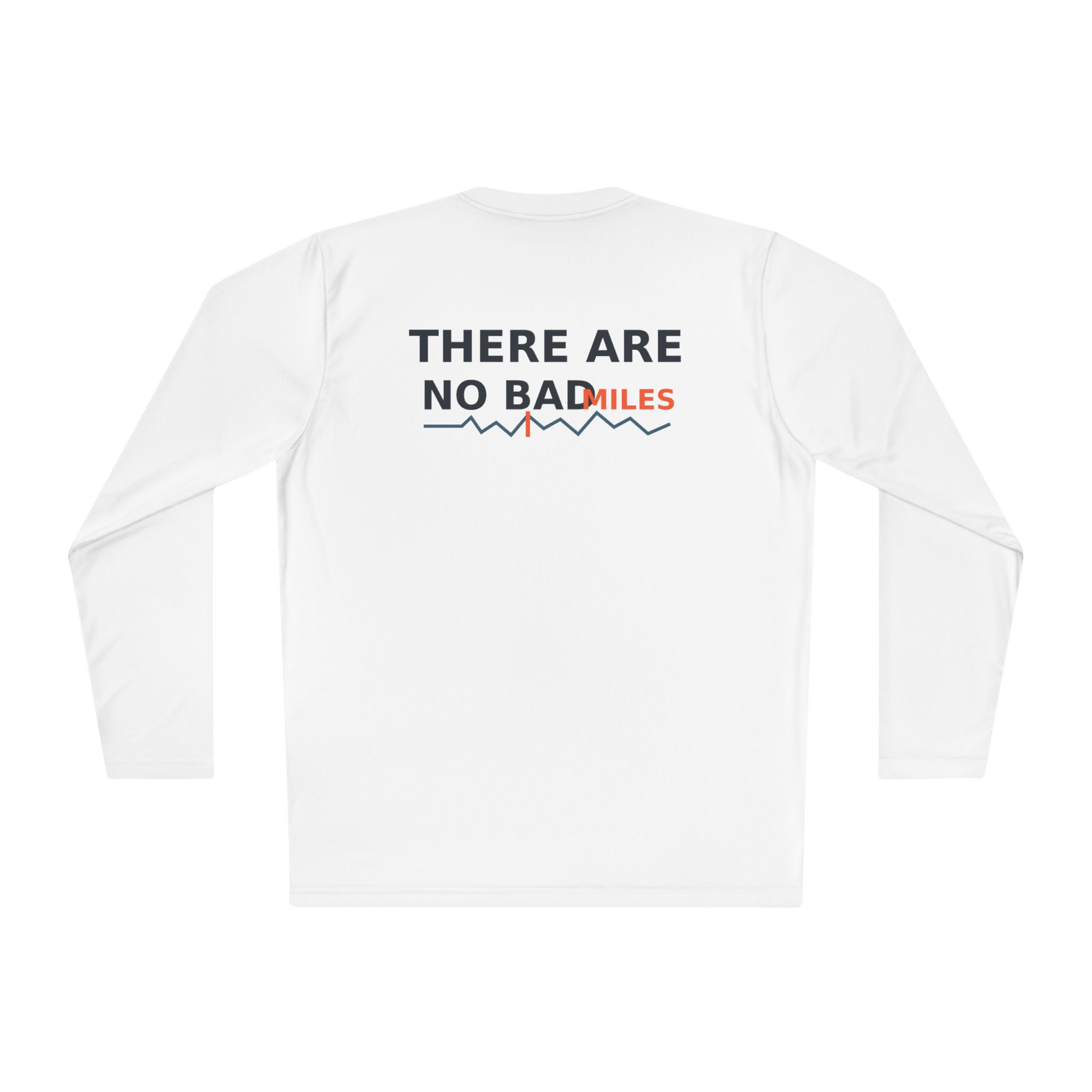
The No Bad Miles Women’s Tee and its men’s counterpart are both cut from an extra-light 3.8 oz/yd² 100% polyester built specifically to move moisture off skin rather than absorb it — the exact property this page is about. Neither is a blend, which matters more than it might seem: even a small percentage of cotton mixed into a synthetic weave measurably slows how fast the fabric can move moisture to its surface, so a genuinely wicking shirt is one where the fiber tag says 100%, not “mostly.”
What Old-Timers Actually Meant by “Technical Fabric”
“Technical fabric” gets thrown around as a vague marketing word now, but it used to mean something specific: synthetic fiber engineered for a job, not just picked for cost. Moisture-wicking is one property under that umbrella. So is quick-dry, so is four-way stretch, so is odor resistance from a silver treatment. None of it is magic — it’s fiber chemistry doing a specific job cotton’s chemistry can’t do. Worth knowing the term so a listing that just says “technical” without specifying what it actually does isn’t telling you anything useful. Read the fabric content and the fiber weight instead of the marketing adjective sitting above them — those two numbers tell you more about how a shirt will actually perform on a hot run than any word a copywriter happened to pick for the product listing.
Bottom Line
Cotton’s fine for the couch. Past twenty or thirty minutes of real effort, it’s dead weight. Synthetic is the default for a reason — lighter, drier, dries fast. Wool’s the one exception worth knowing, if odor matters more to you than a quick dry.
One Last Thing
None of this means you need to throw out every cotton shirt you own tonight. It means picking the right one for the job at hand — cotton for the couch, synthetic for the mile that’s actually going to ask something of you.
FAQ
Is wicking fabric always polyester?
Mostly, but not always — nylon and merino wool wick too. Polyester’s just the cheapest and most common in running gear.
Does pricier synthetic actually wick better?
Not automatically. Weave and finish matter more than the price tag — check the fabric weight and construction, not the logo.