
Wash it, dry it, smells fine. Sweat in it for five minutes and it’s right back — sometimes worse than before. That’s not you washing wrong, and it’s not a cheap-gear problem. It’s got a name — rebloom — and it’s just polyester doing what polyester does: hanging onto bacteria a regular wash can’t shake loose.
Why Polyester Smells Worse Than Cotton
Sweat itself is nearly odorless. The smell comes from bacteria on your skin breaking down compounds in sweat and body oil, and that process happens fastest on fabric that traps oil and bacteria close to the surface. Cotton fibers are relatively smooth and absorb moisture into the fiber itself, so odor-causing residue tends to rinse out in a normal wash. Polyester fibers are different — they don’t absorb water into the fiber, but they do have microscopic pits and grooves where bacteria and oil settle in and get physically wedged, out of reach of a standard detergent-and-agitate wash cycle.
That residue survives the wash mostly intact. It doesn’t smell right out of the dryer because it’s dry and inactive — but the moment you start sweating again, moisture reactivates the bacteria and the smell comes right back, often within the first few minutes of a run. That’s the rebloom effect, and it’s the reason a shirt can smell “clean” on the hanger and rank ten minutes into a workout.
What Actually Gets the Smell Out
A normal wash cycle isn’t strong enough on its own. What works is breaking the bond between the oil and the bacteria before the shirt ever hits the washer:
- Pre-soak in vinegar: equal parts white vinegar and cool water, 30-60 minutes, before washing. The acetic acid breaks down the oil-bacteria bond that plain detergent leaves behind.
- Baking soda paste on trouble spots: underarms and the back panel, worked in and left to sit for about an hour before washing — neutralizes odor instead of just covering it.
- Turn shirts inside out: the side that actually touched your skin gets direct contact with water and detergent instead of being shielded by the outer layer.
- Skip fabric softener entirely: it leaves a coating on synthetic fibers that traps odor and reduces the fabric’s ability to wick moisture in the first place — even the fragrance-free versions cause this.
- Wash promptly, don’t let gear sit damp in a bag: bacteria multiply fastest on wet fabric left balled up, which is exactly what a gym bag does for hours after a workout.
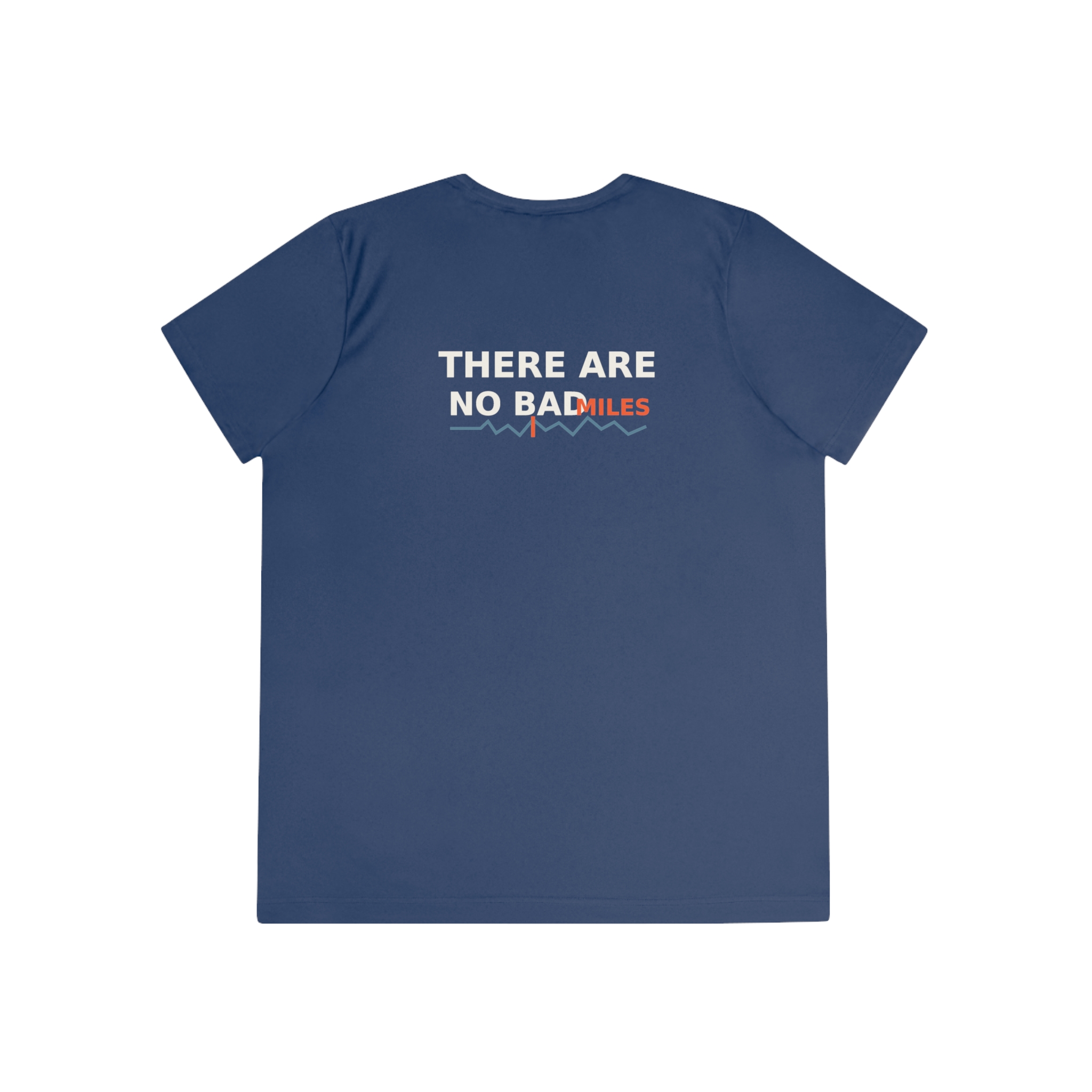
Washing Instructions That Actually Preserve Wicking Performance
Heat is the other enemy here — not because it doesn’t kill bacteria (it does), but because high heat and tumble drying can warp and glaze synthetic fibers over time, which flattens the surface texture the fabric relies on to wick moisture in the first place. That’s why most wicking gear, including the pieces sold on Sweatwicking, carries a cold-wash, no-tumble-dry care label: cold water (max 30°C/90°F), no bleach, no iron, air dry instead of the dryer. It’s a stricter routine than a lot of people default to, but it’s what keeps a wicking shirt actually wicking a year in, instead of turning into a slightly damp cotton shirt with extra steps.
Does Merino Wool Actually Smell Less?
Merino wool’s reputation for staying fresher longer than polyester is genuinely earned, not just marketing. Wool fiber has a naturally different surface structure than polyester and contains lanolin, which has some inherent antimicrobial property — the combination means fewer bacteria colonize the fabric in the first place, rather than polyester’s problem of bacteria being hard to remove once they’re there. The tradeoff is durability and price: wool is more fragile, more expensive, and dries slower than polyester, which is exactly why most performance running gear — including apparel built for daily mileage and race mornings — still defaults to polyester despite the odor tradeoff. For most runners, better washing technique closes most of that gap without giving up polyester’s durability and quick-dry advantage.
A Deep-Clean Routine, Step by Step
- Turn the shirt inside out.
- Pre-soak 30-60 minutes in a 1:1 mix of white vinegar and cool water.
- Rub a baking soda paste into any spots that smell worst — underarms, back panel — and let it sit roughly an hour.
- Wash in cold water on a normal cycle, using the label-recommended amount of a standard detergent (no fabric softener), with an extra rinse if your machine offers one.
- Air dry rather than tumble dry, ideally somewhere with airflow.
This is a maintenance routine, not something needed after every single wash — running it every few weeks, or whenever a shirt starts showing early rebloom signs, keeps most polyester gear smelling genuinely clean rather than just dry.
Storage Between Washes Matters Too
A damp shirt balled up in a gym bag for hours is close to ideal conditions for the exact bacteria causing the smell — warm, moist, dark, no airflow. If you can’t wash gear immediately after a run, at minimum pull it out of the bag and let it air out rather than leaving it sealed up until laundry day. This alone measurably reduces how bad the smell is by the time it actually reaches the washer.
Hard Water and Detergent Buildup
If odor problems seem worse than they should be even with a careful routine, hard water is worth ruling out. Mineral deposits from hard water can bind with detergent and body oils, leaving a residue on synthetic fibers that’s functionally similar to the fabric-softener problem — it coats the fabric, traps odor, and reduces wicking performance. A water softener or a detergent formulated for hard water helps, as does making sure you’re not over-dosing detergent, which leaves more residue behind rather than washing cleaner.
How Often Should You Actually Wash Running Gear?
After every wear that involved real sweating — this is one area where running gear differs from a lot of other clothing. Unlike a shirt worn for a few low-sweat hours, workout fabric that’s been through even a 30-minute run already has bacteria actively working on it, and letting that sit through multiple wears before washing gives rebloom a bigger head start each time. Re-wearing lightly, briefly-worn gear without washing is fine; re-wearing anything that was actually sweated through is where the smell problem compounds fastest.
Do Silver-Infused or “Anti-Odor” Fabrics Actually Work?
Some performance apparel is treated with silver ions or other antimicrobial finishes specifically to slow bacterial growth on the fabric. These treatments genuinely reduce odor buildup compared to untreated polyester, particularly early in a garment’s life — but the effect isn’t permanent. Repeated washing gradually strips the treatment, and by a few dozen washes, a treated shirt behaves close to an untreated one. It’s a real feature worth having, but not a substitute for the washing routine above over the life of the garment.
When It’s Time to Replace, Not Just Rewash
If a shirt still smells immediately after a proper vinegar pre-soak and cold wash, the bacteria has likely worked deep enough into the fiber structure that it’s not coming back out. That’s a fabric-life issue, not a laundry-technique issue, and no amount of additional washing fixes it at that point. Related: our guide to why shirts chafe covers another sign that fabric is past its useful life — degraded finish causing friction it didn’t used to. As a rough rule, a shirt worn and washed regularly for a season or two of consistent training has likely earned retirement once odor and fit issues start showing up together, rather than either one in isolation.
Dryer Sheets Make It Worse, Not Better
Same problem as liquid fabric softener, different delivery method. A dryer sheet coats fabric with a waxy film to make it feel soft, and that film sits on top of synthetic fibers the same way liquid softener does — trapping odor, slowing the wick. If you’re air-drying like you should be for a wicking shirt anyway, this one’s moot. If you’re still running a dryer for anything synthetic, skip the sheet — and check the bottle you’re using isn’t marketed as “fabric conditioner,” which is the same product under a nicer name and does the same damage to a wicking shirt’s performance regardless of what the label on the bottle happens to call it.
Bottom Line
Vinegar soak, not more detergent — detergent alone isn’t breaking that oil-bacteria bond. Skip the fabric softener, it’s making this worse, not better. Cold wash, air dry, and don’t let a sweaty shirt sit balled up in a bag for two days. That’s the whole fix, and it works.
FAQ
Will more detergent get the smell out faster?
No. More detergent just means more residue left behind, which is more food for the same bacteria. Use what the label says, add a rinse cycle instead.
Can I just bleach it and be done?
No — bleach eats the fibers and the print faster than normal wear does. Vinegar and baking soda do the same job on the bacteria without wrecking the shirt.